Reading time: About 5 minutes
Who this is for
- People in their 50s who feel their heart wobble a bit when they hear a “good investment opportunity”
- Those who think, “Being suspicious all the time is exhausting”
- Anyone who secretly believes, “I’m pretty good at judging people”
- People who want to trust others — but really don’t want to get scammed
Conclusion
It’s not about doubting everyone.
Life gets easier when you accept that you’re also someone who could be fooled.
The Night My Finger Froze Over the Call Button

One evening, I was at home doing nothing in particular.
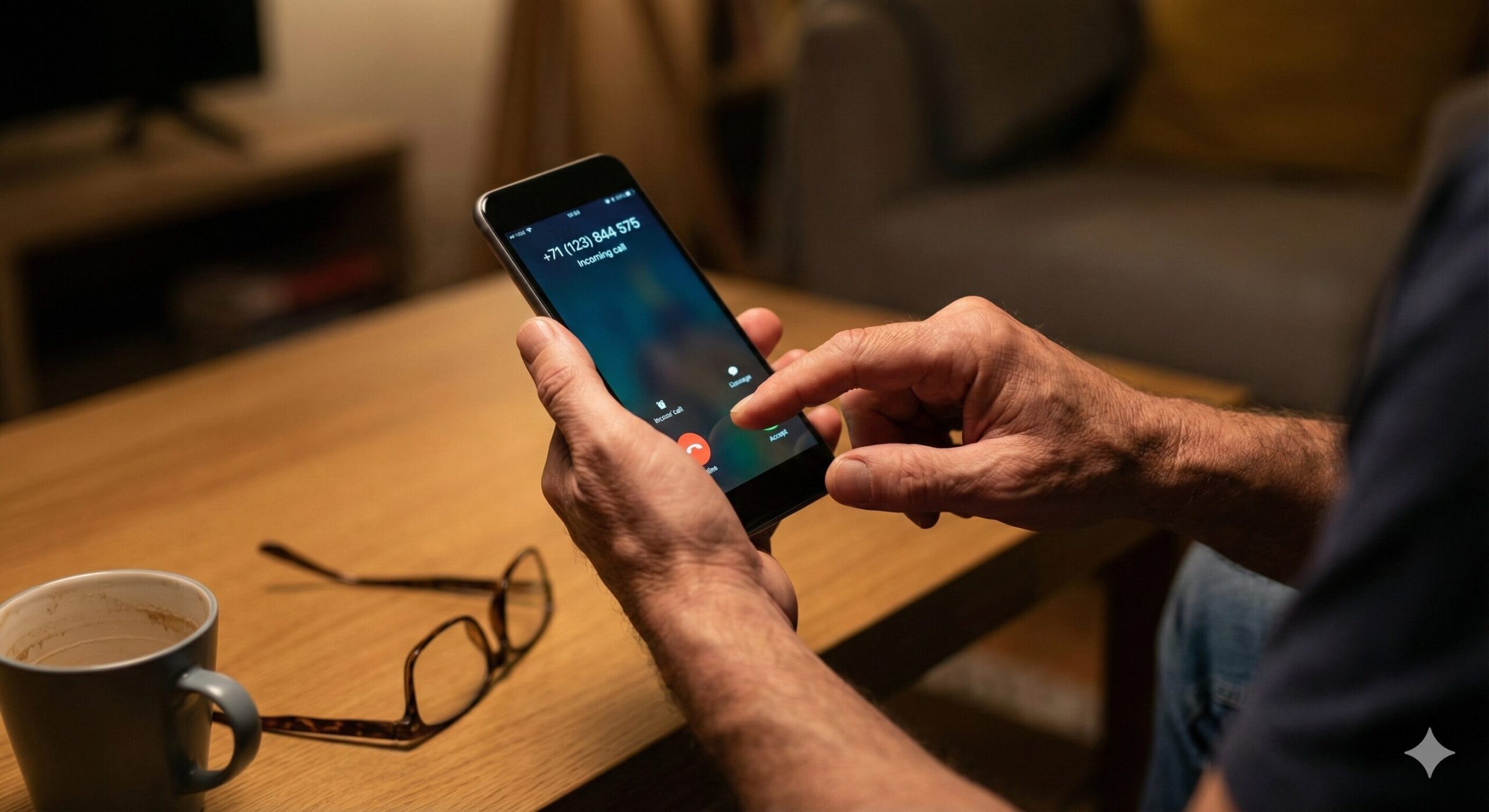
My phone rang.
An unfamiliar number.
With a clearly foreign country code.
“…Who’s this?”
Without thinking, I picked up my phone again.
My finger hovered just millimeters above the call button.
Work-related?
A wrong number?
Something important?
For a split second, I genuinely hesitated.
Then I muttered something like,
“…Ah.”
And suddenly, I hit the brakes.
“No. I don’t need to answer this.”
I let it ring out.
Later, I looked up the number.
It was commonly linked to scams and aggressive solicitations.
I hadn’t been scammed —
but I realized I had already stepped right up to the entrance.
Lately, moments like this feel more common in my 50s.
Truly Kind People — and People Who Only Look Kind
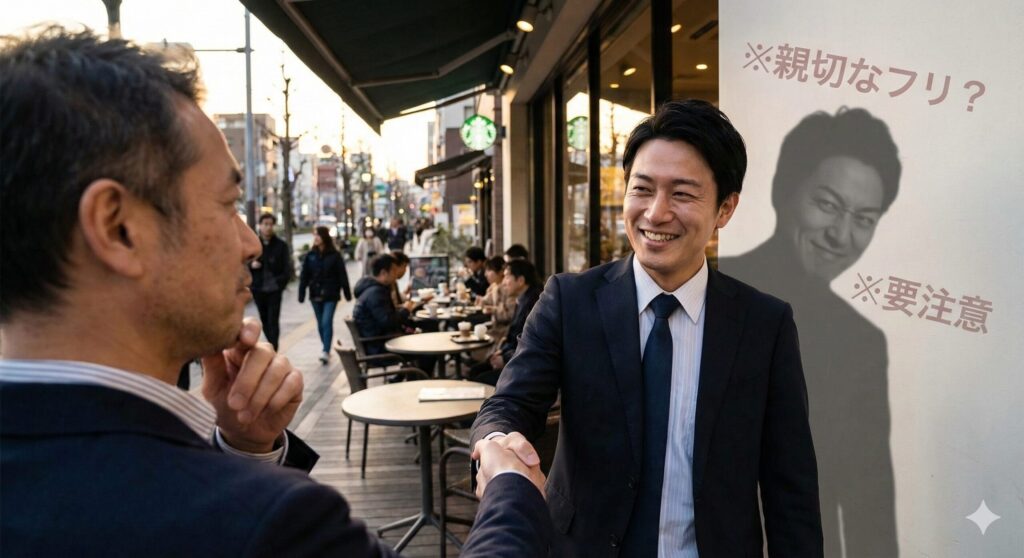
There are genuinely kind people in this world.
The ones who help without expecting anything back.
I’ve been helped by people like that many times.
But there are also people who approach you wearing kindness as a disguise.
The real problem is how hard it is to tell them apart.
If only scammers came with a label saying:
“Warning: This person is a scammer.”
(laughs)
But they don’t.
That’s why we hesitate.
That’s why we get confused.
The People Who Say “I’m Fine” Are the Most at Risk
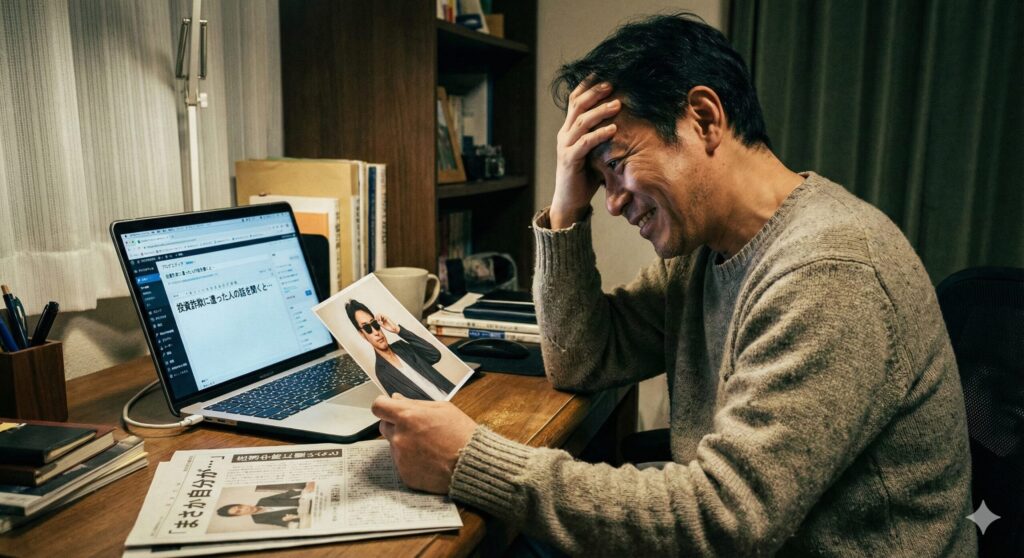
When you hear stories from people who fell for investment scams,
they almost always say the same thing in the end:
“I never thought it would happen to me.”
Which really means:
“I thought I’d be fine.”
Honestly, I used to think that too.
“I’m good at reading people.”
“I’d spot a scam instantly.”
Looking back now —
that confidence had absolutely no basis.
And yeah, it’s a little embarrassing.
These days, I tell myself this instead:
“I’m perfectly capable of being fooled.”
That’s not self-loathing.
It’s just accepting reality.
Instead of “Doubting,” I Just “Check”
When someone is kind.
When a deal sounds a little too good.
Constantly doubting people is exhausting.
So I’ve changed my approach.
I just pause and check.
For example:
- I say, “Let me think about it,” and decide later
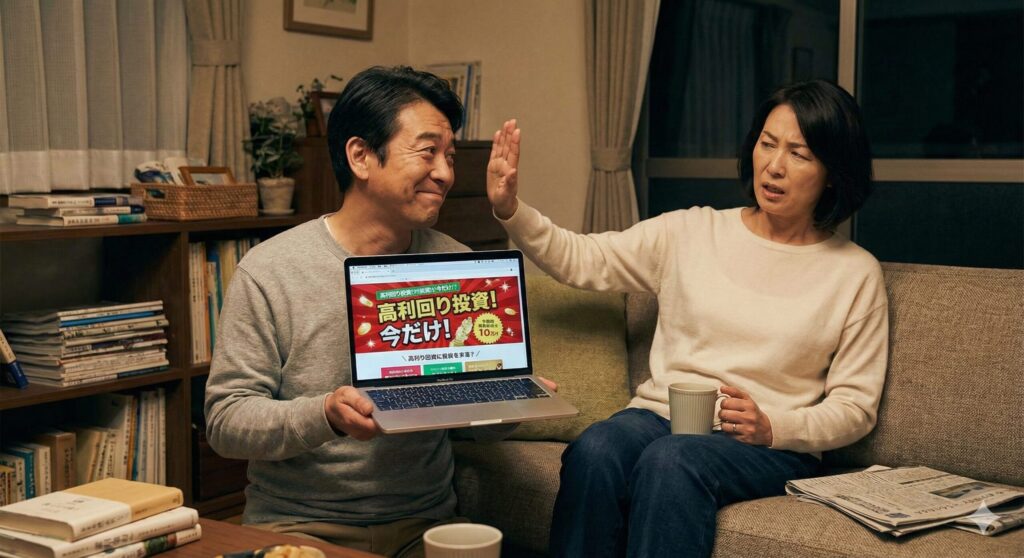
- I tell my wife
→ “You’re looking at weird stuff again, aren’t you?”
(That usually snaps me back to reality fast) - I google the company name and reviews
- I ask myself why they’re pushing me to decide right now
This isn’t suspicion.
It’s basic self-defense.
If it’s truly a good deal,
they wouldn’t rush you.
Mistakes Hit Harder in Your 50s
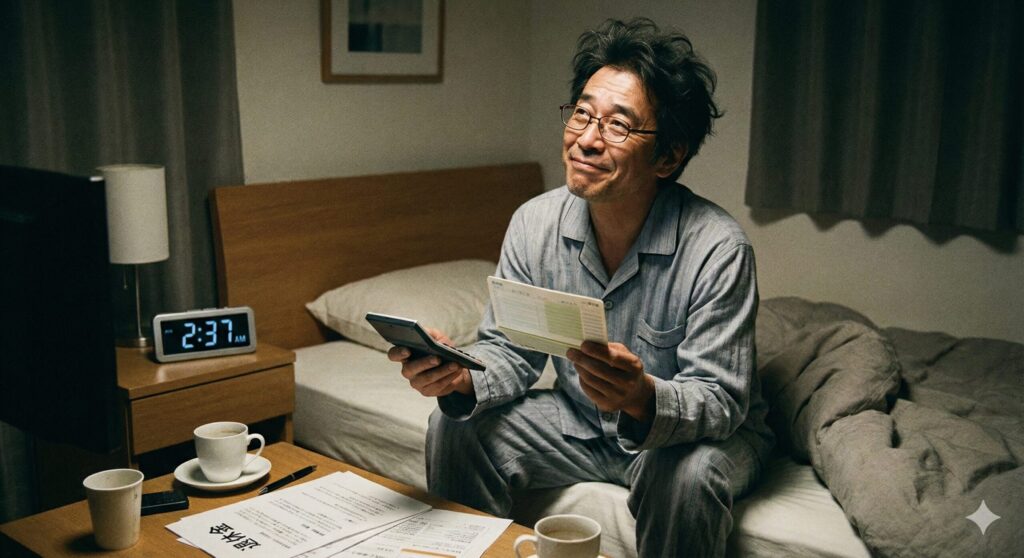
When we were younger,
we could make impulsive decisions and somehow recover.
In your 50s, mistakes linger.
Money worries creep in.
“Will retirement really be okay…?”
Sometimes that thought alone makes sleep lighter than it should be.
(laughs)
Time and money both take more energy to regain.
That’s why I think
being slightly over-cautious is just right now.
It’s not fear.
It’s self-respect.
Trusting People and Protecting Yourself Can Coexist
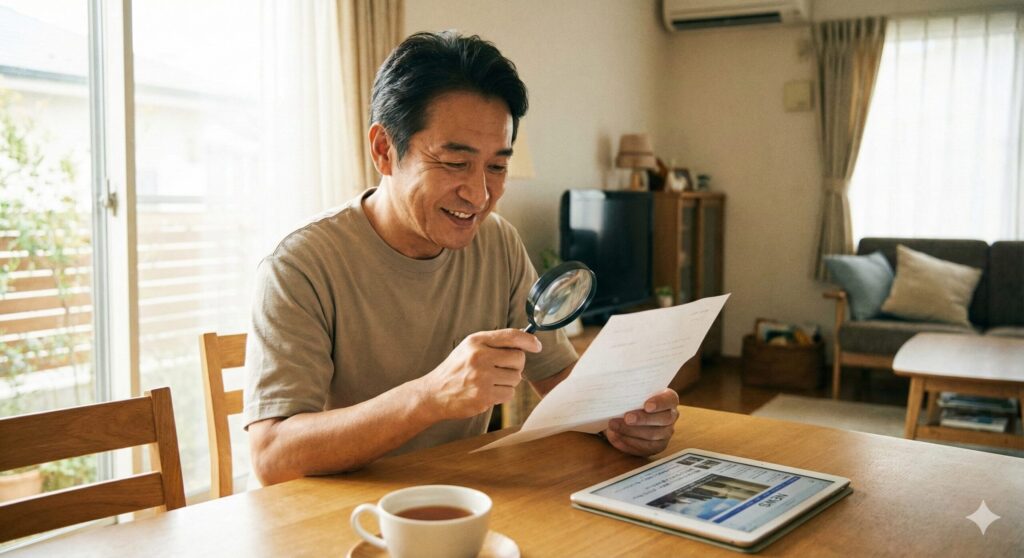
We want to trust others.
But we also need to protect ourselves.
Those two ideas aren’t opposites.
You can believe in people
while still pausing to check once.
That small pause keeps your heart from hardening
and your life from falling apart.
For people in their 50s,
this balance feels just right.
A Small Thought to Keep With You

Don’t assume,
“I’ll be fine.”
Just that alone probably lowers life’s accident rate a bit.
Don’t doubt — just confirm.
Trust people — while protecting yourself.
If someone reading this thinks,
“Yeah… maybe I won’t answer that call today,”
or
“I’ll sleep on this decision,”
then that’s more than enough.
…Probably.
(laughs)
🔗 Related Articles (Recommended Reads)
- Most Unsolicited Offers Are Better Refused — My Story
Unexpected calls, visits, and “too good to be true” offers.
A quiet realization that saying no is often the safest choice in your 50s.- AI Romance Scams: AI Isn’t the Villain — But Trusting Too Much Can Be Risky
Wanting to trust isn’t wrong.
This article calmly explores how kindness and good intentions can be exploited.- I Quit All Insurance — What I Now Believe Is Real Preparedness
Before fear makes decisions for us, it’s worth pausing and thinking.
A reflection on what “protecting yourself” really means in your 50s.


コメント