About 7 minutes
Hi, I’m Hiroshi.
You know that feeling when you’re on a day off, ready to go somewhere fun — only to have your suggestion immediately shut down?
I proposed the zoo.
My wife said no.
So we ended up at Hakone Museum of Art.
I’ll be honest — I wasn’t thrilled. But what I found there surprised me. Not the pottery, not the garden itself — but the people keeping it alive.
Who this post is for
- Anyone who has been to Hakone multiple times but always skipped the museum
- Couples looking for a different kind of Hakone experience
- People who are more moved by human effort than by art
The short version
Every beautiful place has someone quietly working to keep it that way.
The Zoo Was Rejected. Hakone Museum of Art It Was.
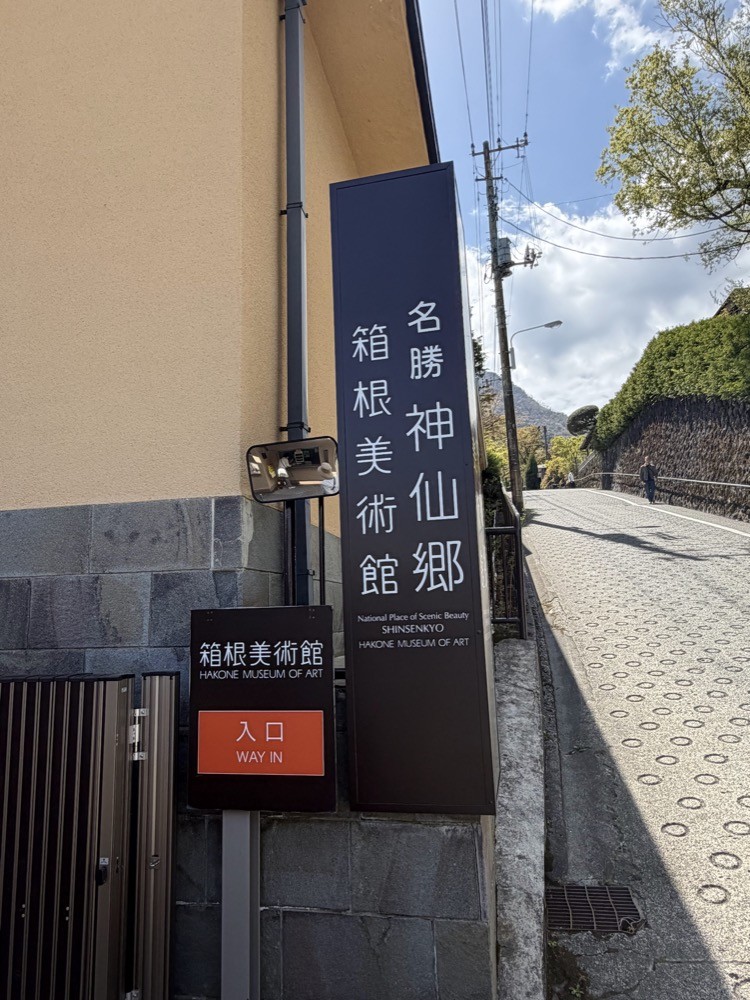
I’ve been to Hakone a few times, but I’d always skipped the museum. “Too quiet, I’ll fall asleep” — that was my honest assumption.
Today, though, my wife had the final say.
Before I get into the experience, here’s the practical info:
Hakone Museum of Art — Basic Info
| Location | 1300 Gora, Hakone, Kanagawa |
| Access | 1 min walk from Koen-kami Station (Hakone Tozan Cable Car) |
| Admission | ¥1,430 / approx. $9.50 (discount with Hakone Freepass) |
| Hours | 9:30 AM – 4:30 PM (until 4:00 PM Dec–Mar) |
| Closed | Every Thursday (open daily in November) |
You can also buy tickets online in advance (e-tix) at a discount.
Important note for anyone reading this:
The museum is closing for major renovations from May 7 to October 29, 2026.
If you want to visit, April 2026 is your last chance before the closure.
A Place That Feels Like Old Japan
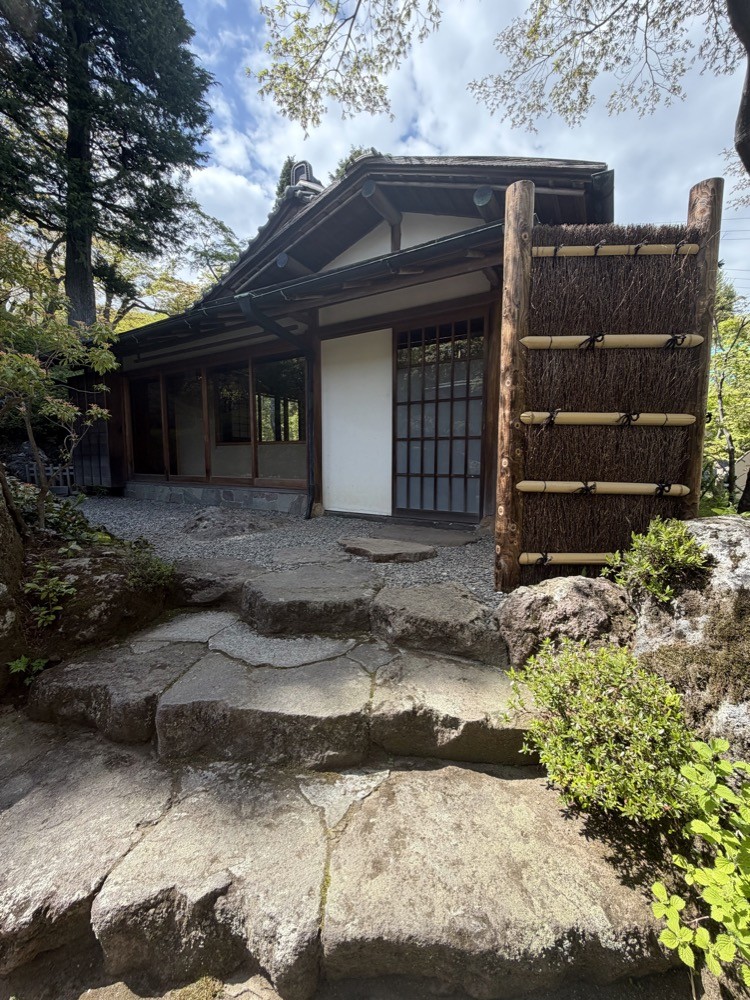
Stepping inside, the first thing that surprised me was the atmosphere.
Stone paths. Bamboo fences. Wooden buildings worn smooth with age.
It felt like stepping into the private villa of some old-money family from the Meiji or Taisho era. I half-expected a servant to appear and ask if I’d like tea.
The museum opened in 1952 — the oldest private museum in Hakone. The founder, Mokichi Okada (1882–1955), designed the main building himself. The distinctive Chinese-style blue-tiled roof stands out beautifully against all the green.
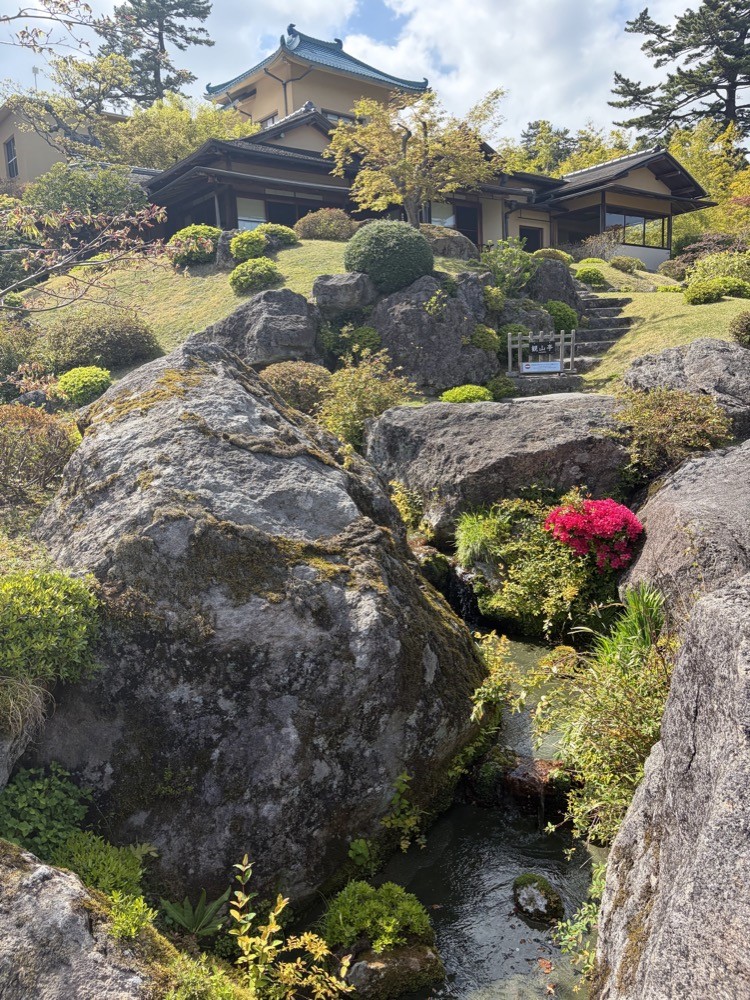
The garden, called Shinsenkyo, covers about 33,000 square meters (roughly 8 acres). In 2021, it was designated a National Place of Scenic Beauty.
Rocks, buildings, red azaleas — layered together in a way that felt almost painted.
Honestly, the Pottery Didn’t Grab Me
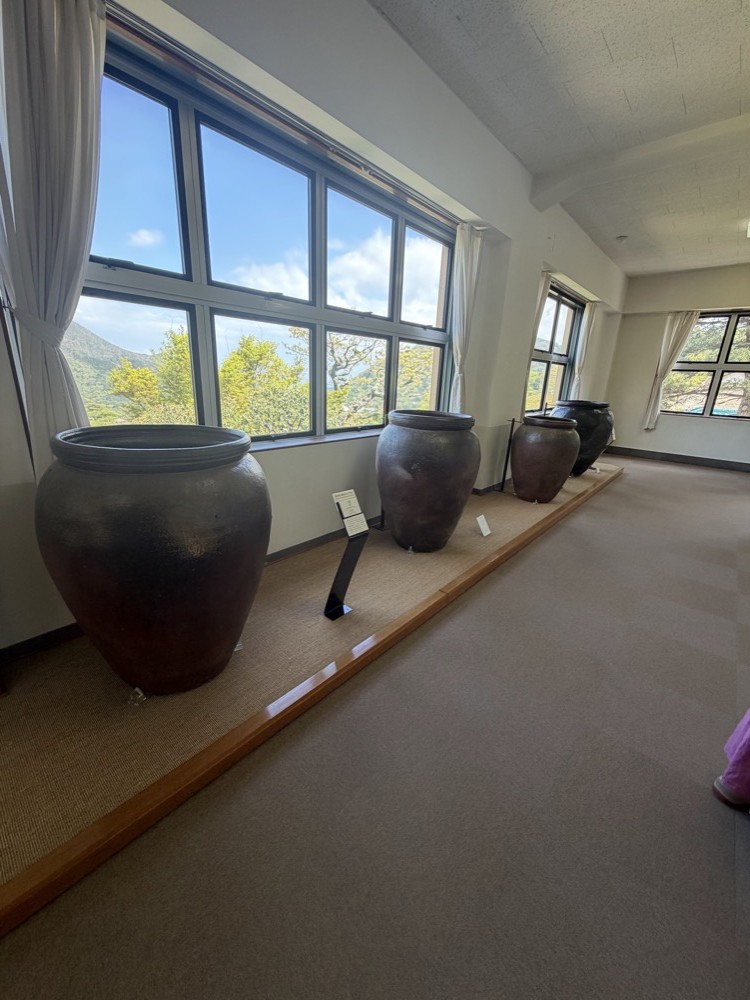
The exhibition halls were filled with ancient ceramics — from Jomon-era pottery to Edo-period porcelain.
Four huge old jars lined the window wall. The mountains framed perfectly behind them. That view was genuinely beautiful.
But honestly? The pottery itself didn’t do much for me.
I walked through thinking, “Huh. Old pots.” My wife, on the other hand, studied every piece carefully. If ceramics are your thing, this place is probably a paradise.
Wait — Hakone Has a Daimonji Fire Festival?
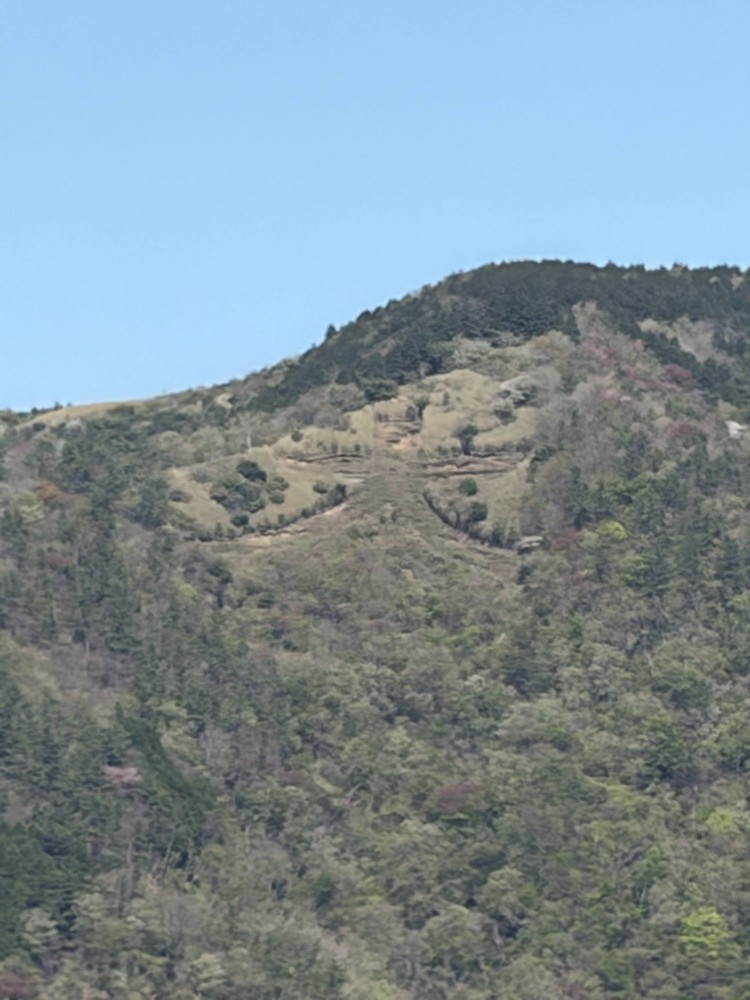
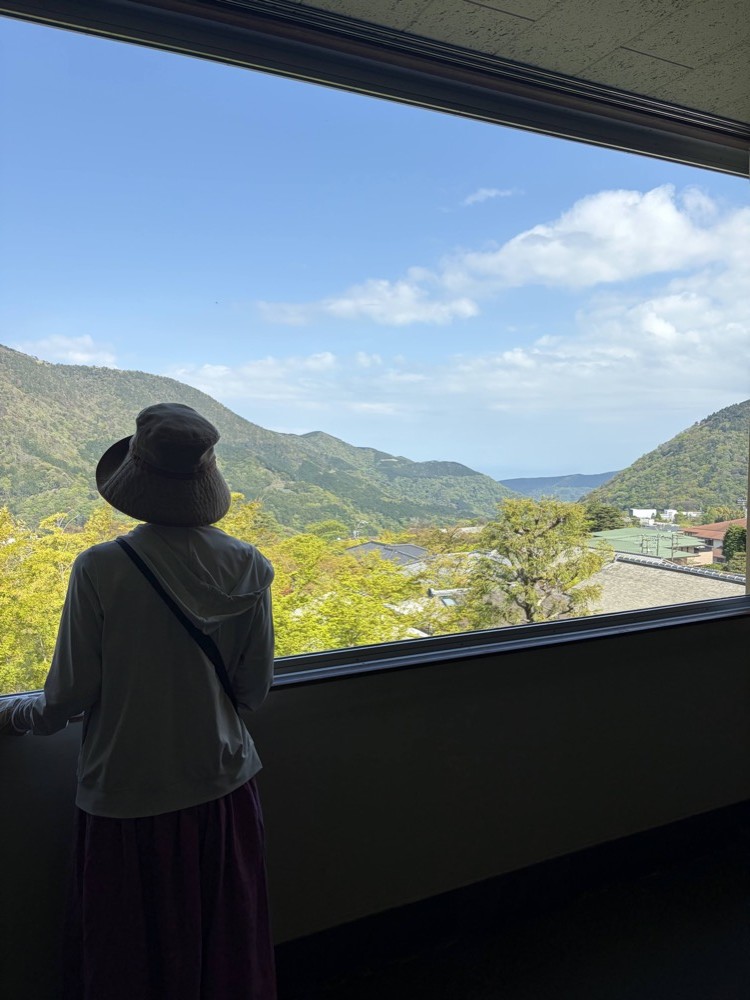
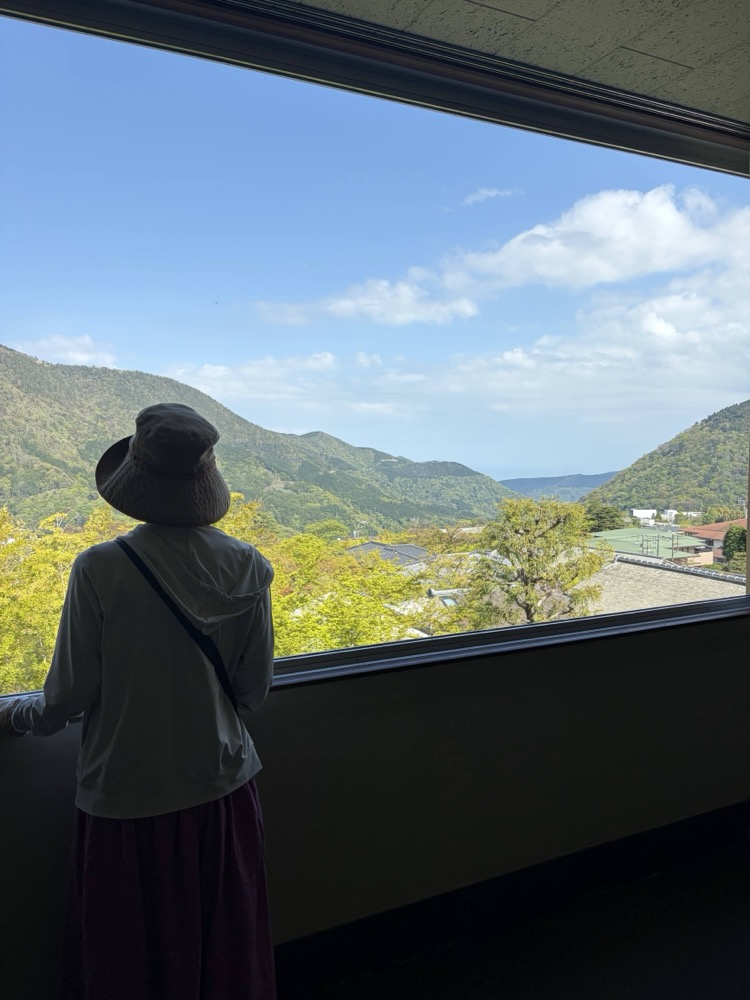
Up on the second floor, my wife pointed out the window: “That mountain — apparently they do a Daimonji fire ceremony there.”
I looked closer. There it was — the shape of the kanji 大 (dai, meaning “large”) carved into the mountain’s tree line.
I always thought Daimonji was a Kyoto thing. Turns out Hakone has had its own version since 1921.
The mountain is called Myojogatake (924m). Every year on August 16th, a massive bonfire is lit in the shape of 大 — with the horizontal stroke alone measuring 108 meters.
The building was designed so that the mountain sits perfectly in view from the second-floor windows. It’s a traditional Japanese garden technique called shakkei — “borrowed scenery.”
The People Crouching in the Moss Garden Stayed with Me
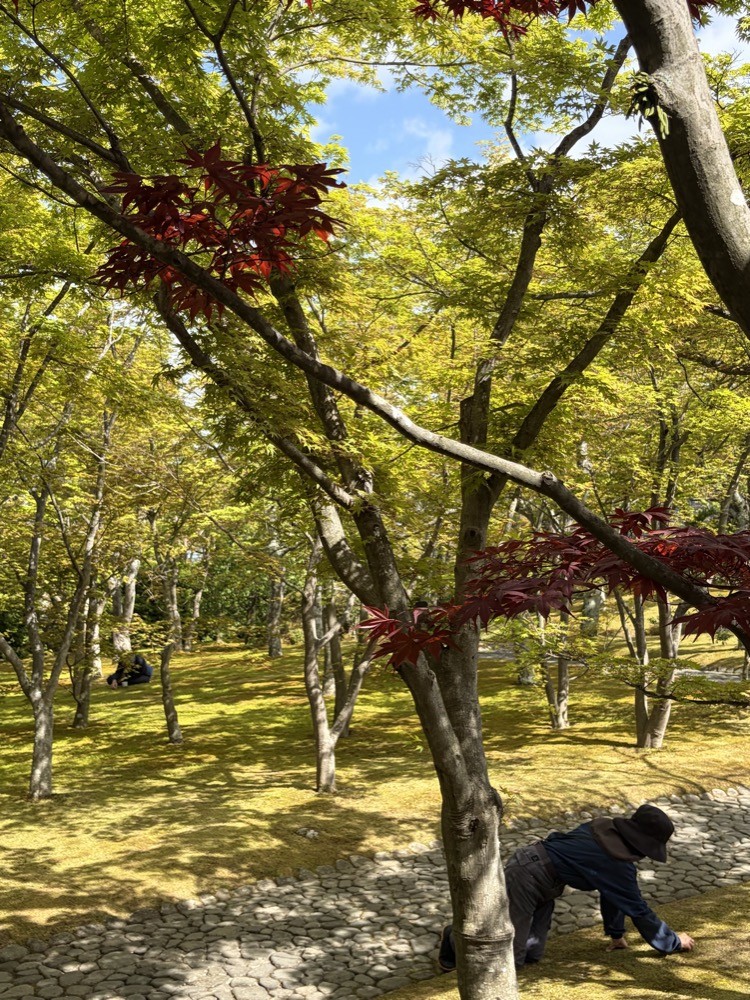
Walking through the garden, I came across a wide carpet of moss.
A few staff members were crouching low, working quietly in the middle of it.
“What are you doing?” I asked.
“Pulling weeds,” one of them told me, with a small smile.
“The garden’s so large — it’s a lot of work.”
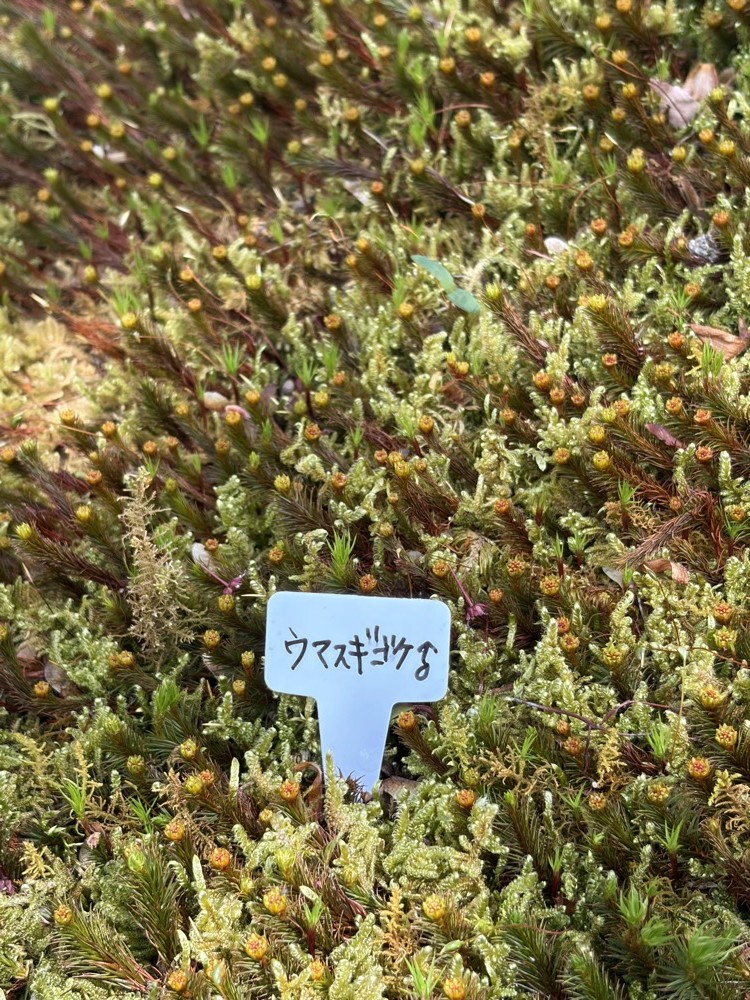
The moss garden contains around 130 species of moss.
Because different species require different levels of moisture and light, neither machines nor chemicals can be used. Every weed has to be identified by hand and removed without disturbing the moss around it.
This isn’t just a practical decision — it’s a philosophy. The museum’s founder advocated for natural farming methods, and that principle still guides how the garden is maintained today.
Leave it alone for a few weeks, and the whole thing reverts to wild hillside. So every day, someone crouches down, removes each unwanted plant by hand, and checks how the moss is doing.
I watched them for a while. I didn’t say much. But I was genuinely moved.
The Beauty That Human Hands Pass Down
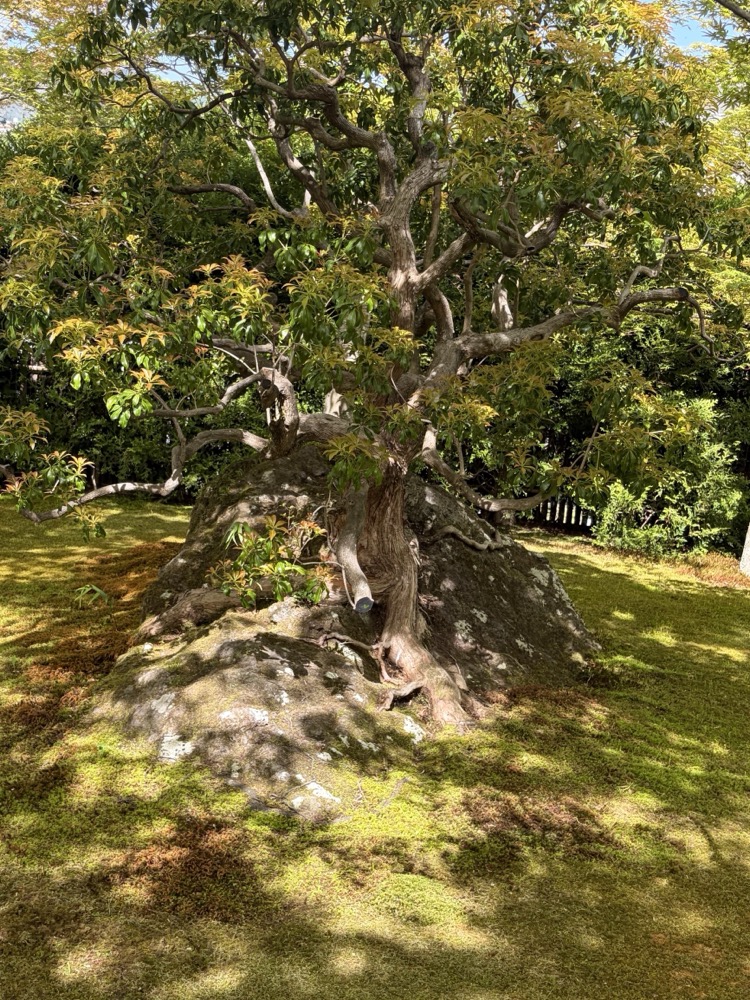
The walk through the garden left me thinking about one thing.
Every beautiful place has someone behind it, doing quiet, unglamorous work.
I wasn’t interested in the pottery. But I was deeply moved by the people maintaining this garden, day after day, for decades.
Buildings, gardens — without care, they deteriorate fast. The same is true of houses. A home nobody tends to becomes a ruin almost overnight.
The fact that this museum has stood here for over 70 years is because people kept showing up and doing the work.
I thought: long after I’m gone, this building — worn wood and all — will probably still be here, passed down by hands I’ll never know.
The breeze was cool and clear.
If you enjoyed this post, you might also like these:
- Walking to a Mountain Castle at 0°C — How a Day Hike With My Dog Cleared My Head
- The Best Places to Escape in Your 50s — Recommended by a Guy Who Actually Uses Them
- Fireflies in Yokohama? Yes, They’re Real — A Quiet Summer Night at Kodomo Shizen Park
In Closing
My wife rejected the zoo. We went to Hakone Museum of Art instead.
The pottery didn’t move me. The Daimonji mountain surprised me. But it was the people crouching in the moss — quietly, without fanfare — who left the biggest impression.
Lately I find myself more moved by the effort behind beautiful things than by the things themselves.
Maybe that’s what it means to be in your 50s.
The museum closes for renovation on May 7, 2026.
If you’ve been thinking about visiting, now is the time.